Under-eye filler is an injectable treatment, usually hyaluronic acid gel, placed in the hollow between the lower eyelid and cheek (the tear trough) to restore lost volume and soften shadows. It is most useful for true hollowing — not puffy bags, pigment, visible veins or loose skin.
Reviewed by Dr. Guy G. Massry, MD, FACSOculoplastic & Reconstructive SurgeonBeverly Hills, CaliforniaSource-linked educational guide
Use this as an orientation, not a diagnosis. Product choice and treatment suitability depend on anatomy, medical history and an in-person assessment.
Hollows
Best fitStructural tear-trough hollowing and the shadows it creates.
HA
Typical materialHyaluronic acid gel is commonly used because it is temporary and can be broken down with hyaluronidase.
9–12 mo
Typical durationSome people reach around 18 months; product, amount and metabolism matter.
$600–$1,500
Typical U.S. estimatePremium injectors and major cities may charge more. Confirm current pricing locally.
1–2 wk
Visible recoveryMany resume normal activity quickly, while swelling or bruising can take longer to settle.
Rare
Serious vascular riskAccidental injection into a blood vessel can cause permanent complications, including vision loss or stroke.
0
FDA-indicated optionsProduct-specific U.S. infraorbital indications listed in this guide.
0–0mo
Typical durationSome people may see results last longer depending on product and anatomy.
$0–$0
Typical U.S. estimateA planning range, not a guaranteed clinic quote.
0–0wk
Useful review windowOften a more meaningful time to judge contour after swelling settles.
Not every dark circleFiller mainly targets structural hollowing and shadow—not every cause of darkness.
Subtle is the goalThe best result usually looks rested and smoother, not obviously filled.
Injector before productAssessment, anatomy knowledge and complication readiness matter more than chasing one brand.
👁️ The HBP check
Is It a Hollow, a Bulge or Pigment?
Filler helps only some causes of under-eye darkness. A useful first step is separating a structural hollow from a true bag or skin color change. Many people have a mixture, so this is a clue — not a diagnosis.
Look for a grooveIs there a visible dip between the lower eyelid and cheek?
Change the lightIf the darkness softens in direct light or flash, shadow from hollowing is more likely.
Check for a moundA persistent puffy bulge above the groove points away from filler as the simple answer.
Check the colorBrown, blue or purple color that stays across lighting can suggest pigment or visible vessels.
Hollow
A groove or dent creates a shadow that often softens in direct light or flash.
Filler fit: often yes, sometimes with cheek support depending on anatomy.
Bulge / Bag
A puffy mound sits above the groove, often from fat projecting forward.
Filler fit: often no. Added volume can make a true bag look heavier.
Pigment / Vessels
Brown, blue or purple color remains visible from multiple angles and lighting conditions.
Filler fit: usually no. Skin-focused treatment may be more appropriate.
🌙
Hollow / Tear Trough
A visible groove creates a shadow between the lower eyelid and cheek. It often looks softer in direct light or flash because the problem is partly contour and shadow.
Filler fit: often potentially suitable after assessment
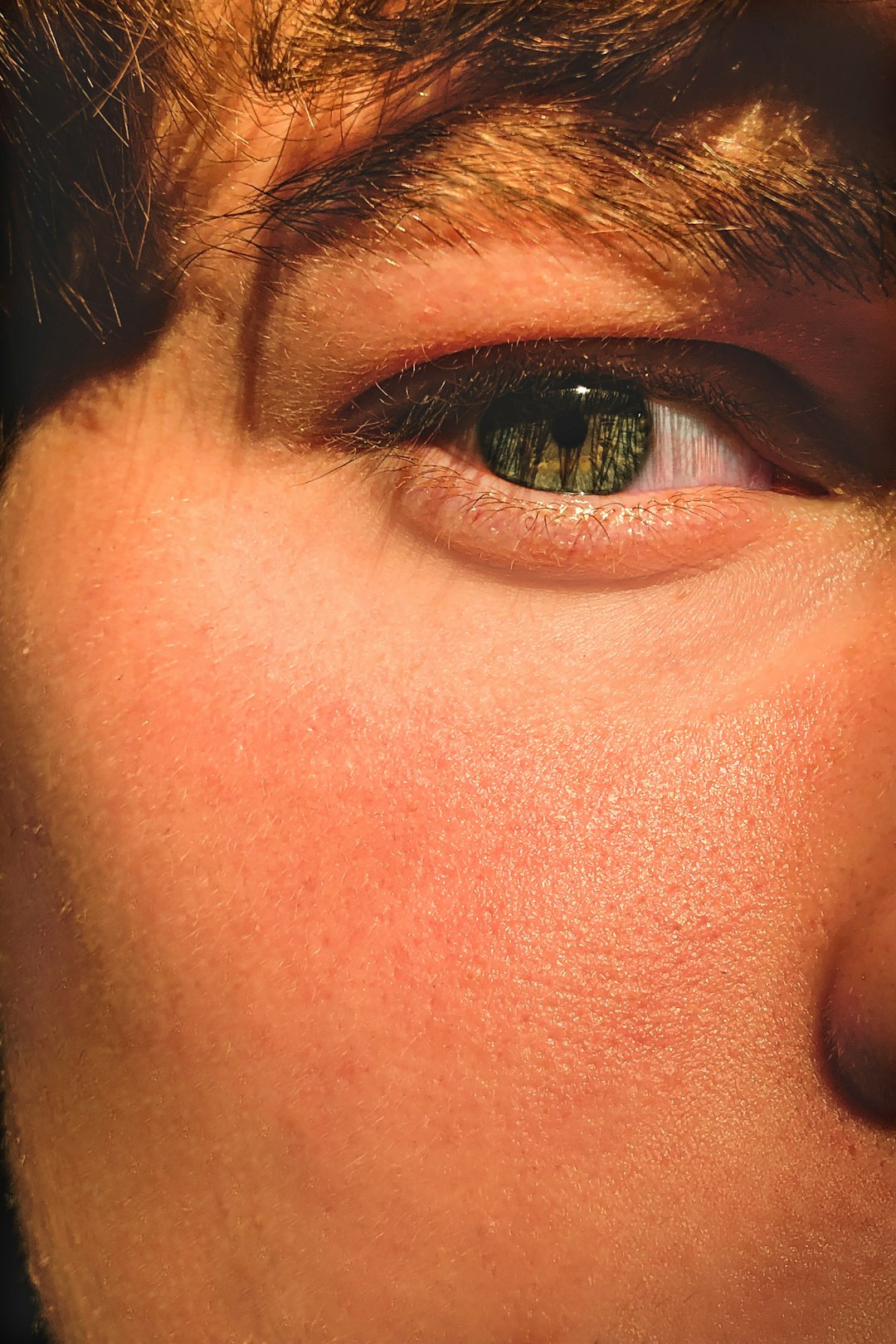
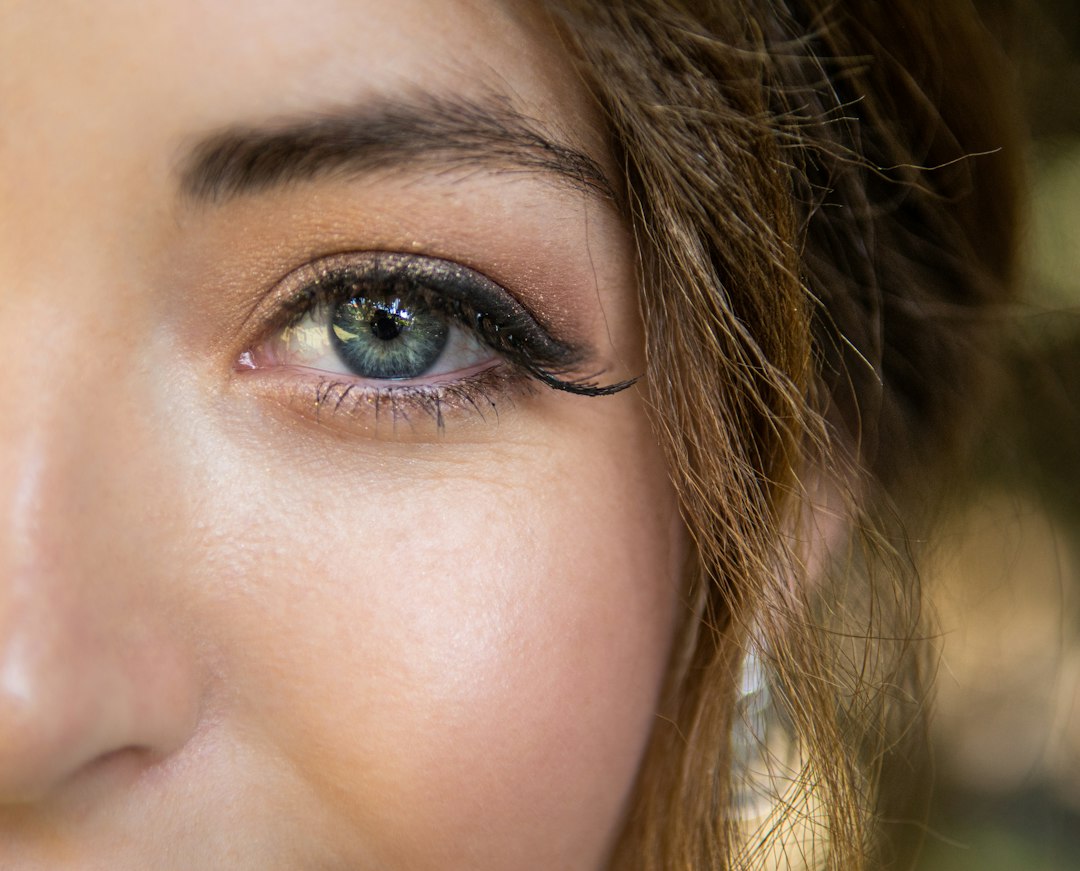
Under-eye contours can look different depending on lighting, anatomy and skin tone. Photo: Amanda Dalbjörn / UnsplashUse consistent lighting when assessing hollows, puffiness or pigment. Photo: Andriyko Podilnyk / Unsplash
🧬 Visual anatomy map
One under-eye area, four different visual signals
This simplified map is not a diagnostic tool. It shows why a single dark-circle label can be misleading: the visible problem may come from structure, puffiness, color or the transition between lower lid and cheek.
The tear trough is the groove that begins near the inner corner of the eye and extends toward the cheek. When soft tissue volume decreases or the underlying anatomy creates a deep groove, the area can cast a shadow that reads as tired or dark.
Most under-eye fillers use hyaluronic acid. The gel adds controlled volume and changes the contour so light falls more evenly across the lid-cheek junction. Because the under-eye skin is thin and the region is vascular, conservative placement and strong anatomical knowledge matter.
Important: poor sleep, dehydration and allergies can make the area look worse, but they do not necessarily create a structural hollow. Sun-related pigment, visible vessels, loose skin and fat bags need different assessment.
🔍 Why hollows happen
Anatomy, Age & Genetics
Volume loss with age: facial fat and soft tissue can thin and descend over time.
Retaining ligaments: tethering structures can make the groove more obvious as surrounding tissue changes.
Bone structure and genetics: some people show a deep trough even in their twenties.
Thin translucent skin: underlying muscle and vessels may show through and deepen the appearance of darkness.
Mixed causes: a hollow can coexist with pigment, puffiness or skin laxity.
✅ Suitability
Who Is a Good Candidate?
Usually a better fit
A clear groove or hollow under the eye
Shadowing that improves in direct light or flash
Reasonably firm lower-eyelid skin
Realistic expectations of a subtle, rested change
Willingness to accept temporary swelling, bruising and maintenance
Often a poorer fit
Significant puffiness or projecting fat pads
Loose or very crepey skin
Very thin translucent skin with higher risk of visible tint
Darkness driven mainly by pigment or visible vessels
Active infection or inflammation around the eye
Age and special situations: product labeling is indication-specific. Approved infraorbital products are for adults over 21, while RHA Redensity Eye is indicated for adults 22 and older. Men and people with darker skin tones may be treated, but anatomy, goals and post-inflammatory pigmentation risk should be discussed. Safety during pregnancy or breastfeeding has not been established for some products; discuss this with a qualified clinician.
🏷️ Product-specific labeling
FDA-Approved Options for Infraorbital Hollowing
FDA approval is specific to a product and indication — it does not mean every dermal filler is approved for every area around the eye. As of October 2026, these hyaluronic-acid products have specific U.S. infraorbital indications:
Restylane EyelightGalderma / Q-Med
Adults over 21FDA decision: May 8, 2023Results in the pivotal study may last up to 12 months
Juvéderm Volbella XCAllergan / AbbVie
Adults over 21FDA decision: May 28, 2021FDA summary reports results may last up to 12 months
Belotero Balance (+)Merz Aesthetics
Adults over 21Infraorbital indication decision: September 27, 2023Indicated for volume augmentation of the infraorbital hollow
RHA Redensity EyeTeoxane
Adults 22 and olderFDA decision: May 12, 2026Indicated for moderate to severe infraorbital volume deficiency
Labeling changes over time. Confirm the current FDA labeling and the exact product your clinician plans to use. Some clinicians use other products off-label; ask what will be injected and why.
Interactive product explorer
Restylane Eyelight
FDA-approved for infraorbital hollowing in adults over 21. Product choice should still be based on anatomy, injector judgment and current labeling.
Adults over 21FDA decision: 2023Study results may last up to 12 months
🎬 Visual guide
See the Topic, Not Just the Text
A premium medical guide should make the anatomy, decision process and consultation context easy to understand visually — without turning treatment into marketing hype.
💬 Consultation first
Assessment before product choice
Good under-eye treatment starts with anatomy, history, goals and risk assessment — not with choosing a syringe from a menu.
👁️ Anatomy view
One area, several possible causes
Shadow, pigment, vessels, puffiness and laxity can look similar at first glance but call for different conversations.
Visual photography: Vitaly Gariev and gryffyn m / Unsplash.
💉 Treatment day
How the Procedure Works, Step by Step
1ConsultationHistory, previous filler, medications, skin quality, fat pads, cheeks and goals are reviewed.
2Standardized photosBaseline photos and careful marking make later comparisons more meaningful.
3NumbingTopical numbing may be used; many products also contain lidocaine.
4Conservative placementA needle or cannula places small amounts in a planned tissue plane. Technique matters more than the tool alone.
5Assessment & smoothingThe clinician checks symmetry and contour. Overcorrection is generally avoided because HA attracts water.
6Review after settlingA follow-up around 2–4 weeks allows swelling to settle before judging the result or considering a touch-up.
Preparation: tell your clinician about prescriptions, over-the-counter medicines, supplements, allergies, previous fillers and planned dental or skin procedures. Do not stop prescribed medicine without the clinician who prescribed it. Avoid scheduling immediately before an important event because swelling and bruising can last days.
🕒 Healing timeline
Under-Eye Filler Recovery Timeline
Recovery is not identical for everyone. Mild swelling, tenderness and small injection marks can appear first; swelling or bruising may look worse before it looks better.
First 24 hoursMild swelling, redness, tenderness or a slightly overfilled look.
Days 2–3Swelling or bruising may peak — the common worse-before-better stage.
Days 4–7Swelling usually decreases and bruising begins to change color.
Weeks 2–4Results settle; this is a more useful time to judge contour and symmetry.
About 30 daysMany common treatment reactions have resolved, though individual recovery varies.
Recovery and final appearance vary by anatomy, product, technique and healing response.
✨ Results & visual standards
What Should a Good Result Look Like?
A well-planned result is usually subtle: a softer trough, reduced shadowing and a smoother transition from lower lid to cheek. The goal is not to erase every natural contour.
Softer tear-trough hollow
Persistent puffy shelf or overfilled look
Reduced shadowing in comparable lighting
Blue-gray discoloration or visible lumps
Smooth lid-to-cheek transition
Marked asymmetry after the settling period
Natural, rested appearance
Judging the result during peak swelling
How to judge before-and-after photos: look for the same lighting, angle and camera distance; results photographed after swelling has settled; no retouching or filters; a clear source and patient consent; and examples from people with anatomy and skin tone relevant to you.
Most under-eye filler is temporary. A practical expectation is around 9–12 months, although some people reach roughly 18 months. The exact duration depends on the product, amount, anatomy, metabolism and how the area is treated.
Hollows can return as filler gradually fades and facial aging continues. Ask what maintenance, touch-ups and dissolving would look like before starting a long-term treatment plan.
Value
Think Beyond One Appointment
A lower quoted syringe price does not automatically mean better value. The injector’s training, assessment, product choice, amount, follow-up and complication plan matter in this delicate region.
If a $900 treatment were repeated yearly, five years would total about $4,500 before optional touch-ups or other procedures. Compare that with alternatives when appropriate.
How Much Does Under-Eye Filler Cost?
These are broad U.S. market estimates, not guaranteed quotes. Confirm current pricing and exactly what the fee includes with the clinic.
$600–$900Basic under-eye treatment estimate
$700–$1,500Common overall treatment range
$1,200–$2,500+Premium injector or major-city estimate
$0–$250Possible consultation range
$0–$500Possible touch-up range depending on clinic policy
Pricing varies with injector credentials, product, amount, geography, whether cheek support is needed and what follow-up is included. Cosmetic treatment is generally not covered by insurance.
💰 Planning tool
Build a rough treatment budget
Choose a broad treatment tier and optionally include the possible consultation and touch-up ranges shown above. This is an educational planning estimate, not a clinic quote.
Illustrative planning range$700–$1,500Actual pricing depends on injector, product, amount, anatomy, location and clinic policy.
🛡️ Safety first
Risks, Side Effects & Complications
The under-eye region is delicate. Common reactions are usually temporary, but unintended injection into a blood vessel is a rare emergency that can cause permanent harm.
Common & temporary
Swelling, bruising, redness, tenderness, injection marks and mild temporary asymmetry.
Less common
Lumps or nodules, persistent puffiness, blue-gray Tyndall effect, infection, lasting pigmentation, unevenness or filler movement.
Rare but serious
Vascular occlusion can reduce blood supply and may lead to skin injury, vision abnormalities including blindness, or stroke.
Seek emergency medical care immediately for vision changes, sudden unusual or severe pain, skin that turns white/gray/blue or blotchy, or stroke-like symptoms such as facial drooping, difficulty speaking, sudden weakness, severe dizziness or confusion.
Under-eye fillerBest suited to hollows and shadowing from volume loss. Temporary and not a primary treatment for true bags or pigment.
Cheek / midface supportMay help when the hollow is linked to midface volume loss; treats support rather than only the groove.
Lower blepharoplastyA surgical assessment may be more appropriate for projecting fat bags or significant excess skin.
Fat transferProvides longer-lasting volume but is a procedure with its own risks and recovery considerations.
Laser / IPL / RF microneedlingTargets selected texture, pigment or laxity problems but does not replace lost structural volume.
Skin-focused careTopicals or other dermatologic treatments may fit mild discoloration when pigment — not hollowing — is the main cause.
Provider checklist
How to Choose a Qualified Injector
The person assessing and treating the area matters more than chasing the lowest price or a single brand. Look for appropriate licensing, relevant training and substantial experience with the lower eyelid and midface.
Who exactly will inject, and what are their credentials?
How many under-eye treatments have you performed?
Which product will you use, and is that use FDA-approved or off-label?
Needle or cannula — and why for my anatomy?
Will you assess my cheeks and midface support too?
What does the quote include, including follow-up or touch-up?
How do you manage a vascular complication, and is hyaluronidase available?
Can I see unedited examples from patients with anatomy similar to mine?
Evidence standard
How We Research Under-Eye Filler
We prioritize product labeling, FDA records, peer-reviewed reviews and consensus literature over marketing claims. Manufacturer-sponsored studies can be useful, but they should be read with their limitations in mind.
Good outcomes depend on more than the product. Assessment, anatomy, conservative technique, realistic expectations and a plan for complications all matter.
What research cannot promise: a study of a few hundred people cannot rule out very rare complications, and long-term outcomes beyond typical trial follow-up rely more heavily on post-market data and clinical experience.
Clear up confusion
Under-Eye Filler Myths vs Facts
Myth: It fixes every dark circle.Fact: it mainly helps shadowing caused by a hollow, not pigment or visible vessels.
Myth: It is permanent.Fact: hyaluronic-acid filler is temporary and may be broken down with hyaluronidase.
Myth: More filler is better.Fact: overfilling can create persistent puffiness and an unnatural shelf.
Myth: The cheapest quote is fine.Fact: training, anatomy knowledge and complication readiness are especially important around the eyes.
Myth: Day-three swelling is the final result.Fact: wait for the area to settle before judging contour and symmetry.
❓ Frequently asked
Under-Eye Filler FAQ
Does under-eye filler fix dark circles?
Only when a structural hollow is creating the shadow. Pigment, visible vessels and true puffiness usually need a different approach, and filler can sometimes make a bag look heavier.
How long does under-eye filler last?
A practical expectation is around 9–12 months, with some people reaching roughly 18 months. Product, amount, anatomy and metabolism all affect duration.
How much does under-eye filler cost?
A broad U.S. estimate is about $600–$1,500 for many treatments, while premium injectors or major cities may be higher. Ask what the quote includes and whether follow-up or touch-ups are separate.
Is filler good for under-eye bags?
Usually not for pronounced projecting bags. Because filler adds volume and attracts water, it can make a bulge look heavier. A specialist can assess whether surgery or another option is more appropriate.
Can under-eye filler be dissolved?
Hyaluronidase can break down hyaluronic-acid filler. Dissolving is a medical treatment with its own considerations and does not guarantee that every issue can be fully reversed.
Does the procedure hurt?
People often describe pressure or brief pinching. Numbing may be used, and many approved products contain lidocaine. Experience varies.
Is under-eye filler safe?
It is commonly performed and many reactions are temporary, but the area is delicate and rare vascular complications can be serious. Choose a qualified, experienced clinician and know the emergency warning signs.
Can people in their twenties get under-eye filler?
Some product labeling covers adults over 21, while RHA Redensity Eye is indicated for adults 22 and older. Age alone does not determine suitability — the question is whether a true hollow is present and treatment is appropriate.
Can I exercise after treatment?
Many clinicians advise avoiding strenuous exercise and extreme heat for roughly 24–48 hours. Follow the exact aftercare instructions given by your treating clinician.
Is under-eye filler worth it?
It can be valuable for the right anatomy and realistic expectations. It is poor value when the main cause is pigment, a prominent bag or significant skin laxity.
Primary-source check
Sources & Reliable Information
For product indications and serious safety information, start with FDA records and product labeling. This page also draws on peer-reviewed reviews and consensus literature identified in our editorial research.
Dermal Fillers for the Treatment of Tear Trough Deformity: A Review (J Cutan Aesthet Surg, 2012)
Recommendations for the treatment of tear trough deformity with cross-linked HA filler (J Cosmet Dermatol, 2021)
Dermal Fillers for Tear Trough Rejuvenation: A Systematic Review (Facial Plast Surg, 2022)
Medical review: Dr. Guy G. Massry, MD, FACS, Oculoplastic & Reconstructive Surgeon, Beverly Hills, California. Last updated October 9, 2026.
Medical disclaimer: This website is for educational purposes only and does not provide personal medical advice, diagnosis or treatment. Results, risks, recovery and suitability vary. Consult a qualified licensed medical professional before considering an injectable treatment.
Continue Your Research With the Right Guide
Compare realistic results, understand recovery, check current pricing questions and learn the warning signs before you book a consultation.